Agriculture careers · 6 min read
How to find agriculture jobs in Zambia
Distinguish farm, extension, research, input supply and processing roles.
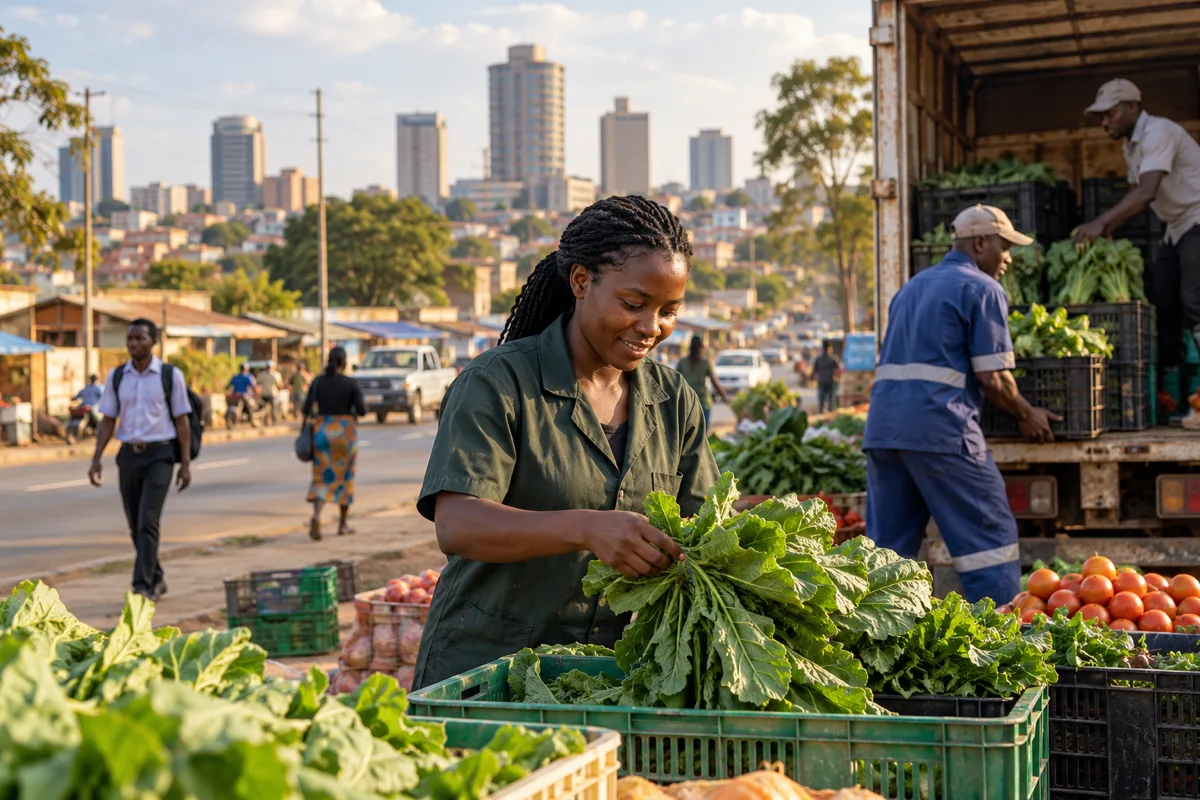
Agriculture work in Zambia reaches beyond a farm field. The Ministry of Agriculture describes research, agribusiness, quarantine and service functions; processors, suppliers and projects hire separately. A field advert may require travel across districts, while a food-processing post can be a fixed shift. This guide helps candidates identify a real employer, explain practical work and compare rural terms instead of treating every agriculture role as interchangeable.
Map the function and employer
The Ministry of Agriculture's site describes programmes and departments, but a project announcement is not necessarily a vacancy. A private farm, input supplier, processor or NGO may have its own recruitment route. Read the duty statement: extension, research, quality control, stores, logistics and administration need different evidence. Ask who signs the contract and where the work will occur. A role based at a provincial office may require frequent travel. Save the individual advert and date, not just a ministry programme title from an old PDF.
Agriculture work can sit with a farm, processor, input supplier, research project or extension programme. Decide which function fits: field records, equipment, crop handling, quality, sales or logistics. A ministry programme page may show sector priorities without advertising an individual job. Identify the farm or company that will employ you and where the work actually happens. A position labelled Lusaka may require regular travel to rural districts. Ask whether accommodation, a motorbike, phone data or protective equipment is provided. Save the dated vacancy and compare its season or contract length with the work you want.
Present field and data evidence safely
Describe what you sampled, counted, recorded or explained, how you checked accuracy and when you escalated an issue. A supervised placement can be useful if you name the host and your limits. For laboratory or processing work, show quality and hygiene practices within your training. TEVETA and ZAQA can help verify formal qualifications. Do not publish farmer records, prices from a confidential supply contract or identifiable field photos. A good application connects one real task to the specific agricultural role, not only a general enthusiasm for farming.
Use evidence from tasks that match the crop, site or service. A supervised placement can show sampling, stock records, farmer follow-up or safe machine use if you describe exactly what you did. Do not claim agronomy certification or pesticide authority merely from helping on a farm. A data role can show clean field records and how an error was corrected without exposing farmer details. Check whether an interview is at a head office while the actual duty station is elsewhere. A low advertised wage may look different after housing and travel; request the full written terms before deciding to relocate.
Check a project's status and application method
Agriculture announcements may describe future financing or intended activities. That is not evidence that an individual role is funded and open. Find the implementing organisation's current job page, closing date and submission route. An NGO or contractor may be the employer rather than the ministry named in the project. Do not pay for a district posting or fertiliser-programme job. Workzambia.net links to original sources and charges no applicant fee. Confirm any last-minute interview change through the organisation's independent contact.
Follow the submission route in the live notice, including its reference, document format and closing time. Public service jobs may use the government portal, while a company may use its own career system. Workzambia.net links to the original application and charges applicants nothing. A forwarded poster or message can be a lead, but verify it with the employer before sending sensitive documents. Do not pay a person who promises to move you onto a shortlist. Keep the advert and confirmation so that a later invitation can be checked.
Read travel, tools and seasonal terms
Ask for duty station, travel area, transport, fuel, phone, protective equipment, housing, basic pay and contract period. A seasonal or project assignment can have a fixed end; a field role can impose significant personal costs if reimbursement is unclear. Zambia's Employment Code Act frames applicable employment terms, but the written offer should specify who pays for what. If a motorbike or licence is required, ask whether it is supplied and insured. Compare actual take-home value with travel and accommodation costs.
Before you accept, request the legal employer, site, basic pay, allowances, hours, contract term, probation, supervisor and travel or equipment obligations in writing. Zambia's Employment Code Act provides the employment framework, but the particular contract still needs to be read. A contractor at a mine, hospital or utility may have different terms from direct staff. A higher headline wage can be less useful if a long commute, unpaid equipment or unpredictable shifts consume it. Clarify responsibilities before leaving another role.
Build a route between field and support roles
Keep lawful records of crop, extension, research or supply work you can explain without exposing private data. An extension assistant can move toward programme coordination; a quality assistant toward laboratory or audit work; a store worker toward procurement. Each transition asks for different skill. Ask a supervisor which measurable work matters and verify a training provider before paying. Follow the current employer pages regularly. A strong record of accurate field work can outlast one season, but a project name alone will not.
Keep a lawful record of work, feedback, training and supervisors who can confirm what you did. Choose a next role from real vacancies and identify one skill or credential that it actually requires. If applications do not bring interviews, compare your evidence with the essential criteria before rewriting everything. If interviews fail, practise explaining decisions, limits and mistakes. Training or a talent profile is only a step; neither guarantees a job. A reliable record of work is what makes the next application stronger.
Sources and further reading
- Ministry of Labour and Social Security: Employment Code Act, 2019
- Zambia Qualifications Authority: verification and evaluation
- Government of Zambia: jobs portal
- TEVETA: technical education and vocational training
- UNICEF: beware of fraudulent job offers
- Ministry of Agriculture
- Zambia Development Agency: priority sectors
Explore this topic
Frequently asked questions
Does a ministry project announcement mean jobs are open?
No. Find the implementing employer's actual current vacancy.
Should I include farmer data in a portfolio?
No. Use anonymised or public examples.
What should a field offer cover?
Travel, equipment, safety, site, pay and contract duration.
Can an internship count as experience?
Yes, if it is labelled and described accurately.